Get More Out of Every Session: Why Tracking Leads to Better Progress
"What gets measured, gets improved." It sounds like a cliché, but research backs it up. Multiple studies have shown that people who log their training achieve better results than those who don't.
Why Tracking Works
A meta-analysis published in the Journal of Medical Internet Research found that using digital tools for workout logging was associated with increased physical activity and better adherence to training programs.
Tracking works because it:
- Creates awareness — you actually see what you're doing (and what you're not)
- Builds mastery — progress graphs show that your effort is paying off
- Reduces uncertainty — no more wondering whether you're lifting more than last week
- Creates accountability — the log doesn't lie
Data as Motivation
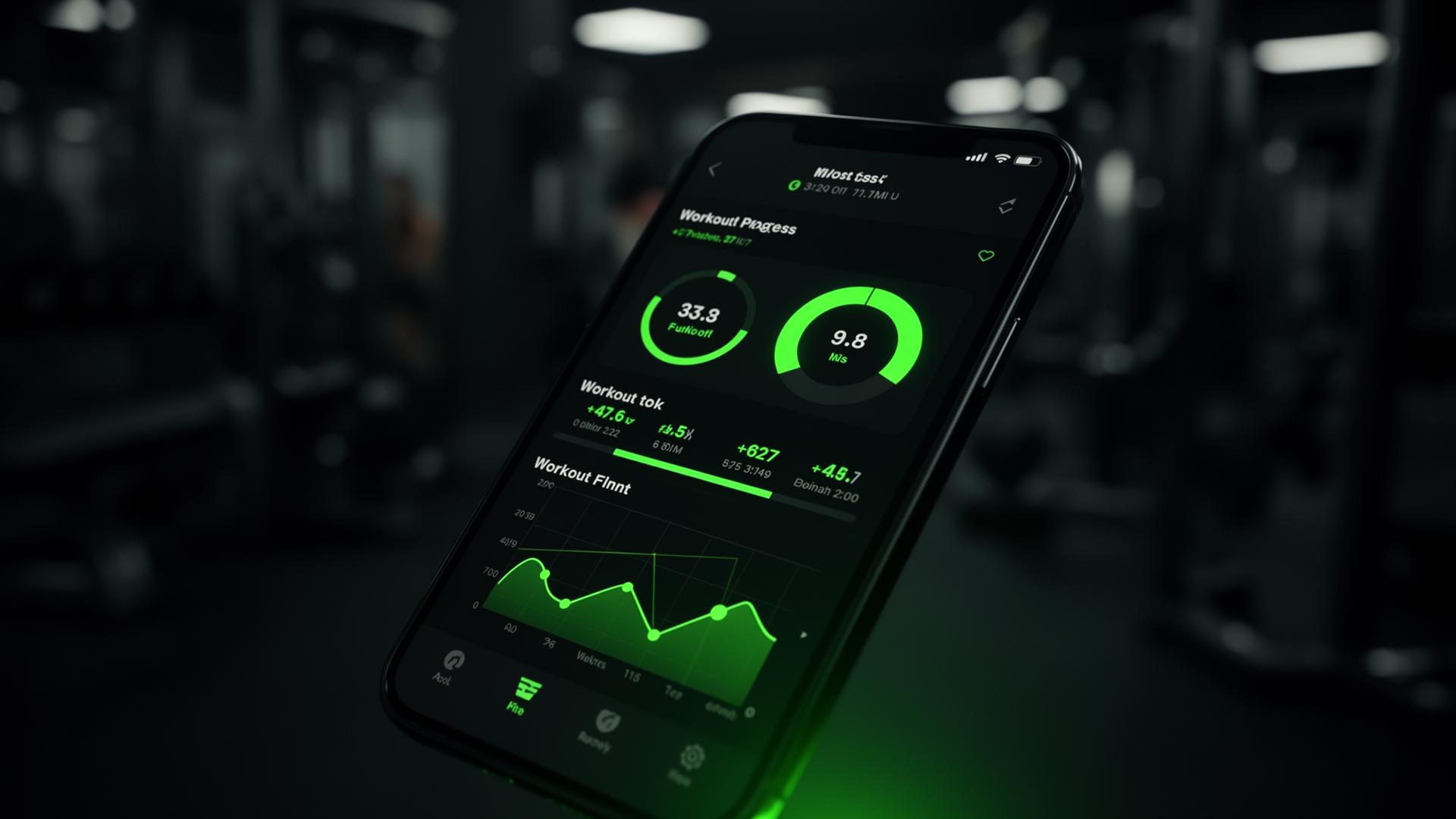
In Reppit, your progress is visualized automatically. When you see that your bench press has increased by 10 kg over three months, it provides a different kind of motivation than just "feeling stronger."
Research from Stanford University shows that visual feedback increases the likelihood of users continuing an activity by up to 27%.

Don't Overdo It
One thing research also warns about: over-tracking can lead to stress and compulsive behavior. Reppit is built to give you insight without turning training into a spreadsheet. Simple dashboards, smart summaries, and a focus on trends — not every gram.